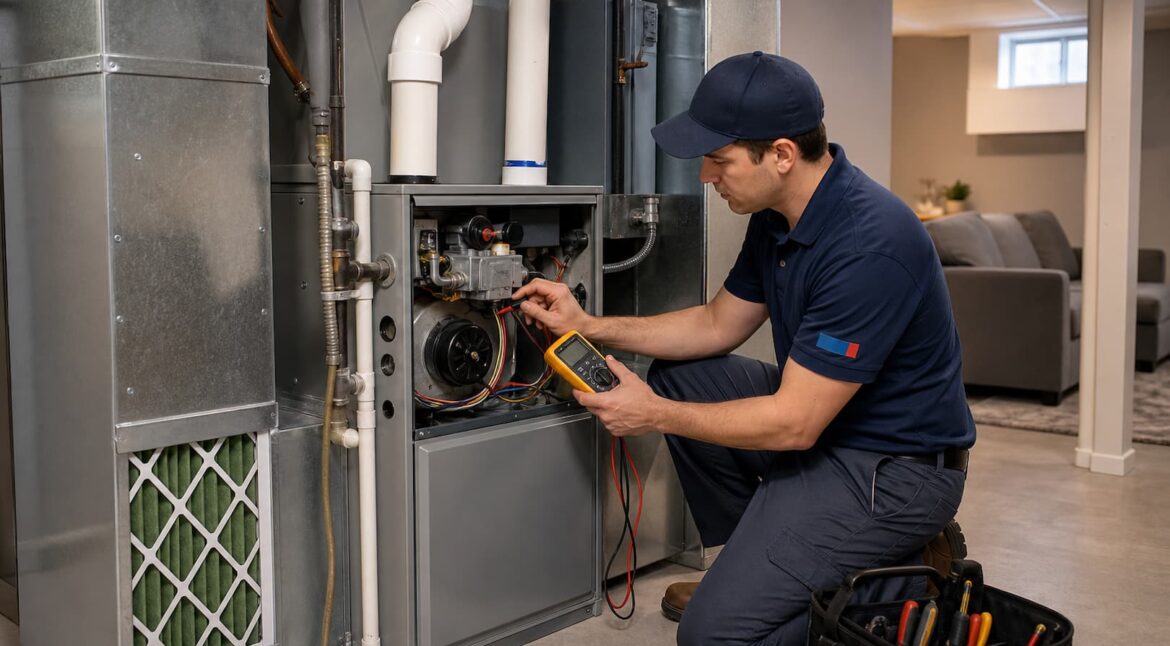
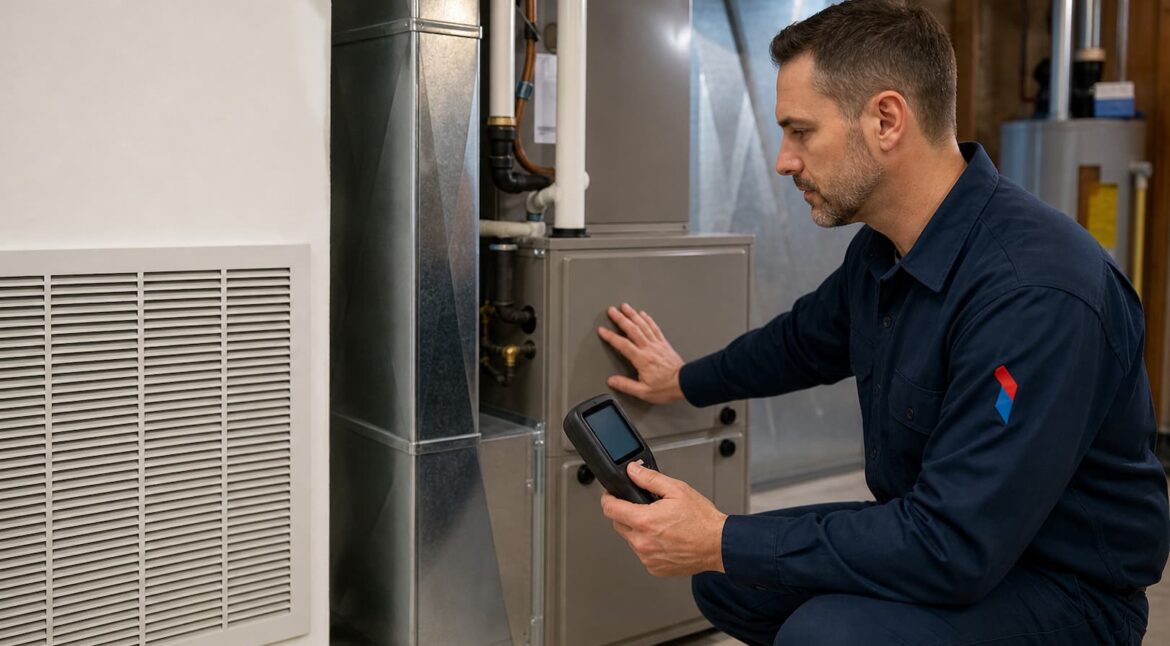
HVAC odors range from harmless dust at the first heating cycle to urgent electrical, combustion, refrigerant, moisture, or gas hazards. This guide explains what each smell can mean, what to turn off, and why a rotten-egg odor should be treated as a gas leak until emergency responders say otherwise.
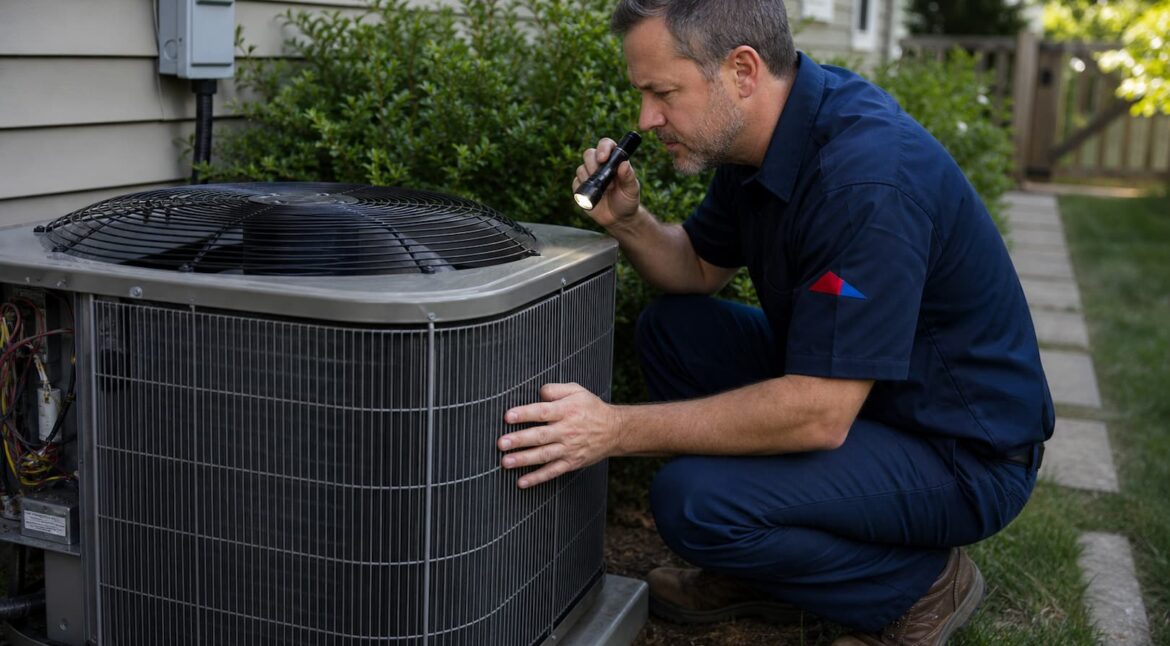
The meaning of an AC noise depends on where it starts, when it occurs, and whether cooling changes with it. One click at startup can be normal; repeated clicking is not. A brief refrigerant equalization sound may be ordinary; sustained hissing with poor cooling needs diagnosis. This guide decodes buzzing,…
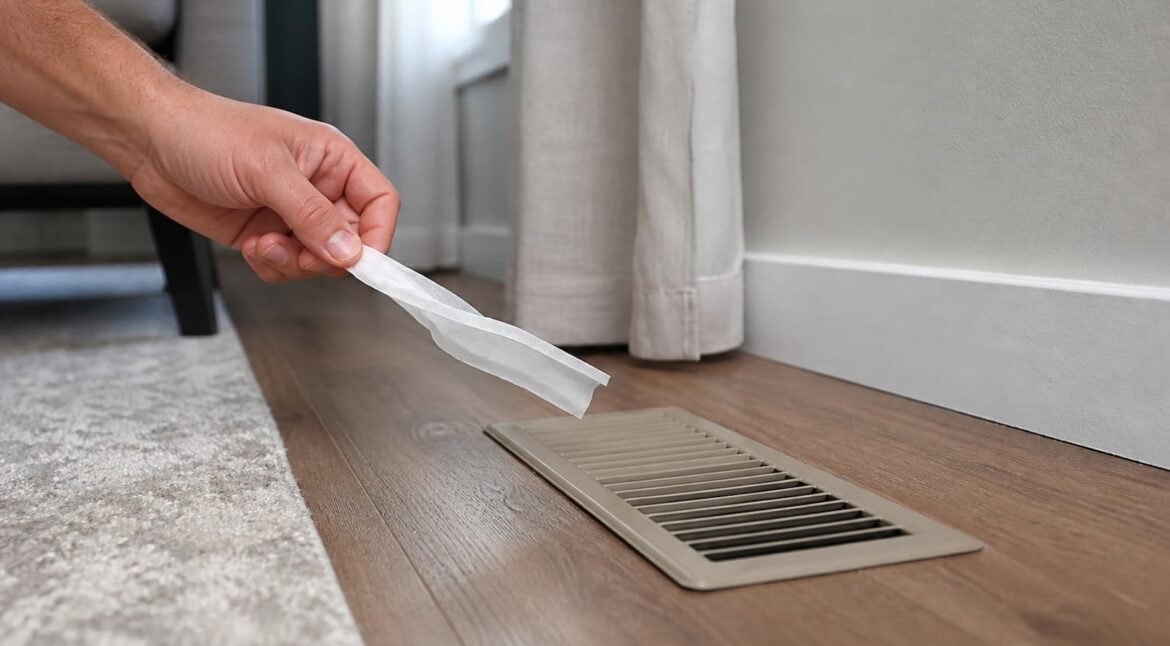
Weak airflow is a distribution symptom, not a single repair. One weak vent usually points toward a room branch or register; weak airflow everywhere points toward the filter, blower, coil, return system, zones, or main ducts. This guide shows how to separate them and avoid fixes that raise pressure or…
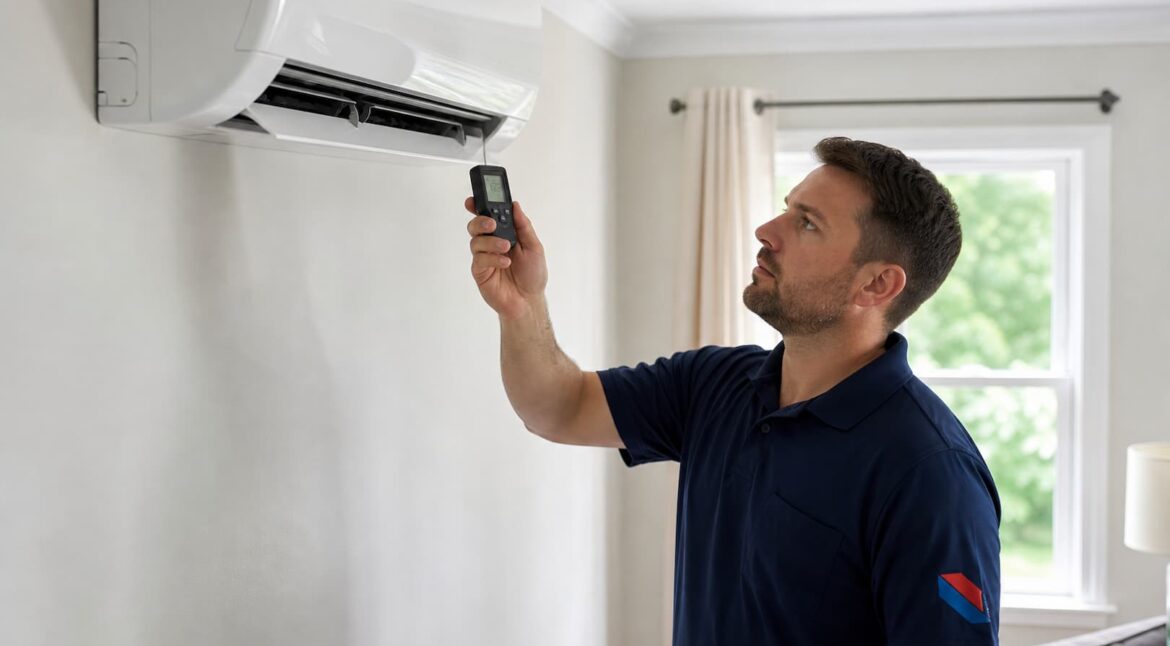
A mini-split may stop cooling because of a mode or remote setting, dirty filter or coil, blocked airflow, zone conflicts, condensate safety, refrigerant trouble, sensor faults, communication errors, or an outdoor-unit failure. This guide starts with safe room-level checks, then explains the system problems behind them.
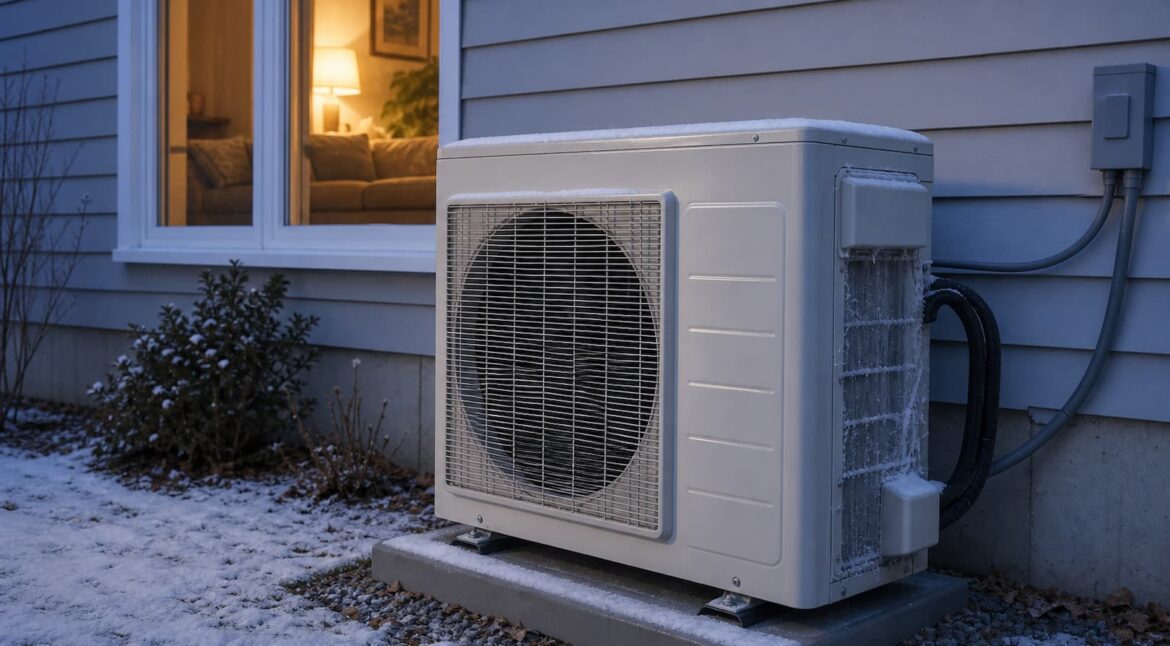
Heat-pump air often feels less intense than furnace air, but the home should still warm. If it does not, thermostat settings, airflow, outdoor ice, defrost, auxiliary heat, refrigerant, controls, or a failed component may be responsible. Use the operating pattern to decide what to check and when to call.
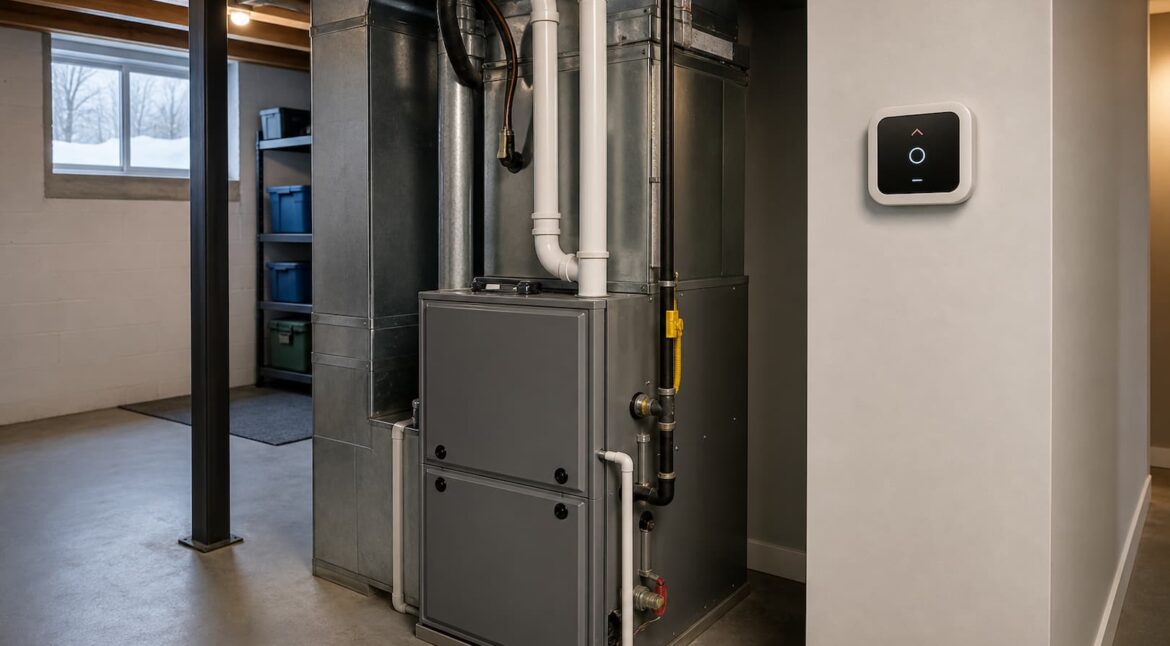
A furnace that will not turn on may have lost its thermostat call, electrical power, fuel, draft proof, ignition, flame signal, airflow, or condensate path. The sounds and timing of the failed startup help narrow the cause. Here is what you can safely check—and when to stop.
A furnace can blow cool air because of a thermostat setting, a normal startup delay, restricted airflow, ignition failure, a dirty flame sensor, venting trouble, or a safety shutdown. This guide shows you how to read the pattern, make safe checks, and know when the furnace needs professional diagnosis.
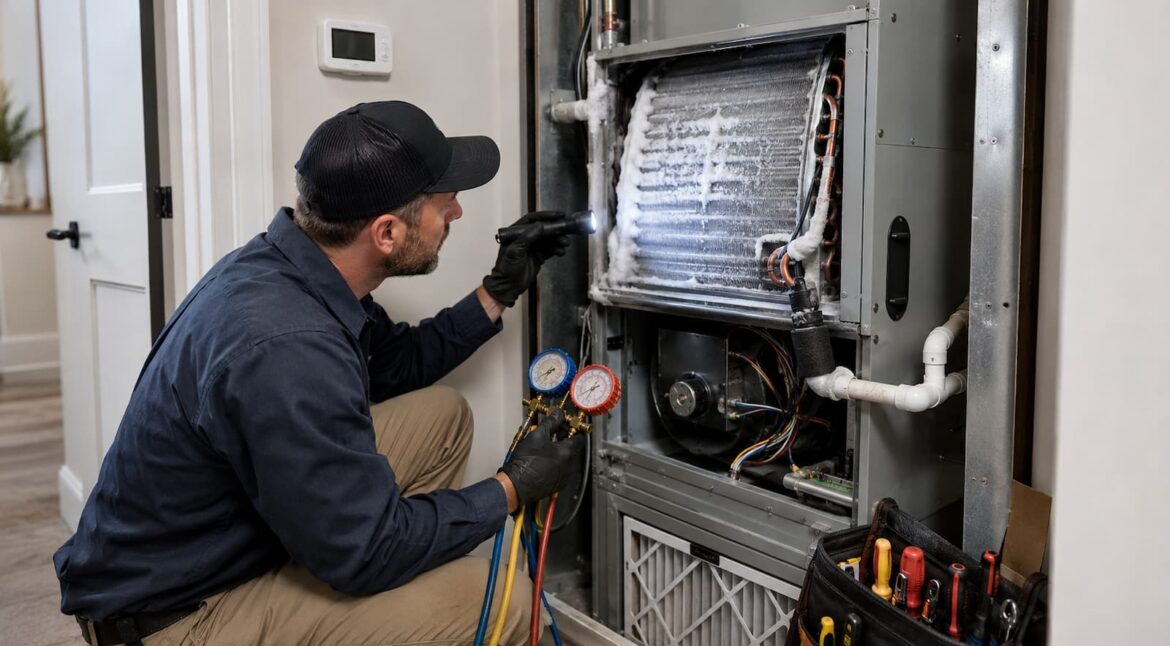
If your AC is freezing up, the ice is usually a symptom of a deeper problem — restricted airflow, a dirty filter, dirty evaporator coil, low refrigerant, blower issues, blocked vents, duct problems, or a system running under the wrong conditions. This guide explains why AC systems freeze, what to…
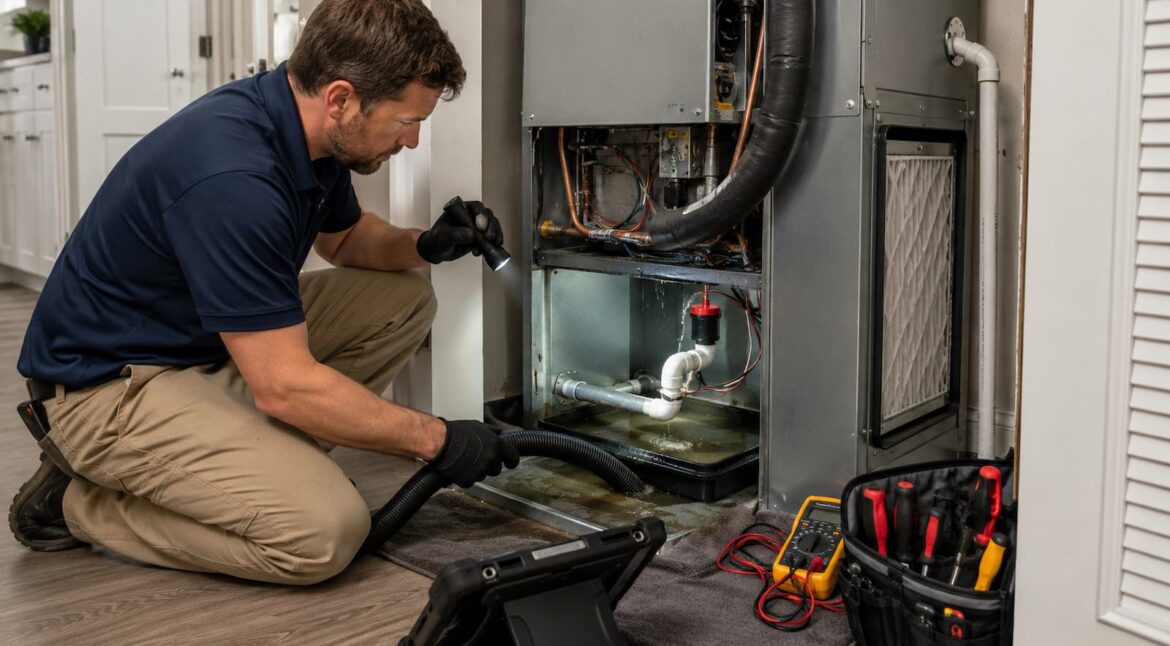
If your AC is leaking water, the problem is usually connected to the condensate drain system, a clogged drain line, cracked drain pan, failed condensate pump, frozen evaporator coil, dirty filter, poor airflow, or improper installation. This guide explains why AC systems produce water, when leaking is normal or not,…
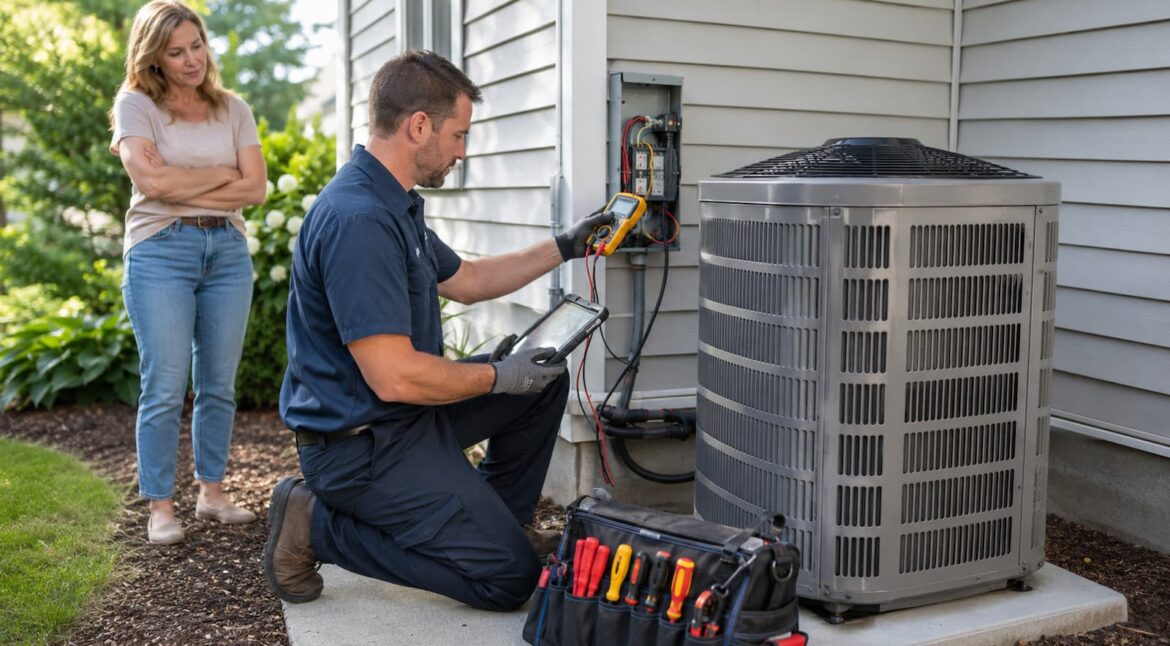
If your AC breaker keeps tripping, do not keep resetting it. A tripped breaker usually means the system is drawing too much current, overheating, shorting, grounding out, or trying to run with a failing component. Common causes include dirty coils, a clogged filter, weak capacitor, failing fan motor, compressor problems,…