
Walk-in Freezer Installation • Linden, NJ

Walk-in Freezer Installation in Linden, NJ

A walk-in freezer installation has to protect frozen inventory under real business conditions: deliveries, door traffic, low-temperature pull-down, frost control, floor safety, and long-term service access. Sadowski Heating & Air Conditioning helps Linden businesses plan and install walk-in freezers with the right box configuration, refrigeration capacity, insulation, defrost strategy, door heat, drainage, controls, and startup checks.

Low-Temp System Planning Freezer capacity matched to product load, target temperature, traffic, and recovery needs.
Frost and Ice Control Door heat, defrost, drain routing, floor transitions, and air infiltration considered early.
Box and Floor Fit Panels, floor, ramps, door swing, shelving, and access planned around daily workflow.
Startup Baseline Airflow, controls, defrost, temperature pull-down, and operating response reviewed at handoff.

NJ HVAC License #13VH11514600, 633 Pierce Ave Unit 7, Linden, NJ 07036, Mon-Fri 8:00 AM-5:00 PM

Freezer Project Brief

Before installation, define what the freezer must protect.

A freezer project should start with the business need: what is stored, how often product moves, how cold the box needs to stay, and what happens during busy loading periods. Those answers shape the box, floor, refrigeration, defrost, and controls.

The freezer is part of your cold chain.

Subzero storage has less tolerance for design shortcuts. Warm product, frequent door openings, poor door heat, undersized equipment, or bad airflow can create frost, long run times, and unstable storage conditions.

  • Frozen product type and target holding temperature
  • Daily loading schedule and delivery volume
  • Door traffic, staff workflow, and product rotation
  • Available footprint, ceiling height, and service access
What temperature does the product require? Frozen storage expectations affect equipment selection, defrost strategy, and recovery planning.
How much product enters warm? Incoming product temperature and loading volume change the refrigeration load.
How often will the door open? Traffic adds heat and moisture, which affects frost control and door hardware choices.
Where can equipment be serviced? Future maintenance depends on accessible evaporators, drains, controls, and condensing equipment.

Freezer-Specific Design

Low-temperature installations need more than cooler logic.

A walk-in freezer has to manage heat, moisture, frost, door openings, floor safety, and defrost water in a subzero environment. The installation plan should account for those freezer-specific demands from the beginning.

01

Insulated Box Assembly

Panel selection, seams, ceiling height, floor condition, vapor control, and door fit affect long-term temperature stability.

02

Freezer Floor Planning

Floor insulation, thresholds, ramps, traffic loads, cleaning routines, and ice control are important for safety and performance.

03

Evaporator and Airflow

Evaporator placement should support even cold air distribution without blocking shelving or creating product freeze-burn areas.

04

Defrost Strategy

Defrost type, timing, termination, drain pan behavior, and heater requirements must match freezer use and moisture load.

05

Door Heat and Gaskets

Door heaters, frame heat, gasket quality, sweeps, closers, and strip curtains can reduce frost and air infiltration.

06

Condensing Equipment

Compressor capacity, condenser airflow, line routing, ambient exposure, service access, and electrical needs affect reliability.

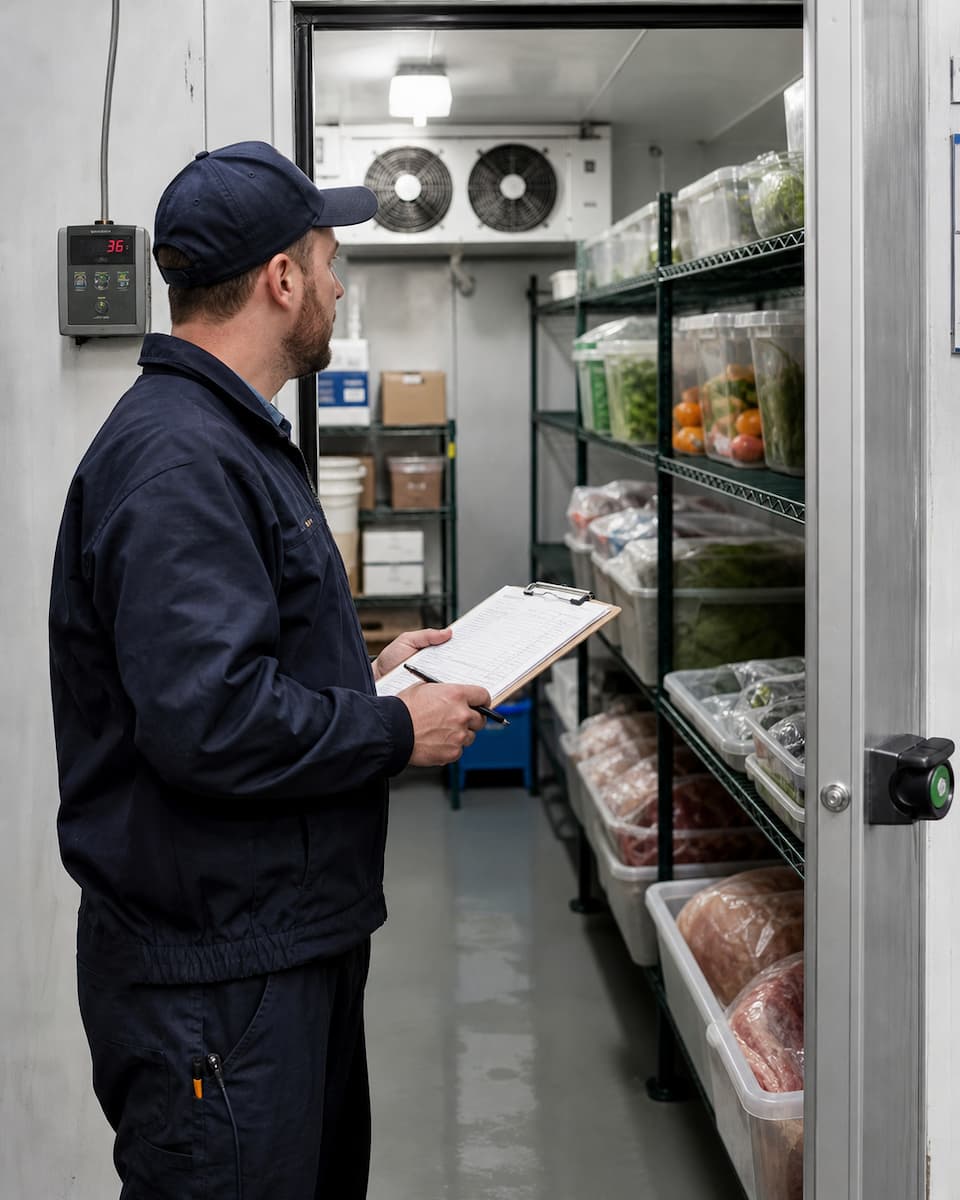
Technician evaluating walk-in freezer capacity and installation load requirements

Capacity must match real freezer use.

A freezer that looks correctly sized on paper can still struggle if loading, door traffic, airflow, or ambient heat were underestimated.

Low-Temperature Load

Freezer capacity depends on more than box dimensions.

Walk-in freezer installation should account for how much heat enters the box and how quickly the system must remove it. The load is affected by product, people, doors, insulation, surrounding heat, and recovery expectations.

Product Temperature Warm or partially frozen product requires more pull-down than product already stored at freezing temperature.
Delivery Volume Large restocking events can temporarily increase load and affect recovery time after doors close.
Door Openings Frequent traffic brings heat and moisture that can increase frost and defrost demand.
Ambient Conditions Hot kitchens, exterior walls, rooftop equipment, and tight mechanical spaces can affect heat rejection.
Airflow Clearance Shelving and product placement must leave space for supply and return air movement.
Recovery Goal The system should recover after busy periods without excessive run time or short cycling.

Site Readiness

The freezer space must be ready for subzero storage.

Walk-in freezer installation affects the building envelope, floor, utilities, drainage, delivery path, and business schedule. Preparing the site helps reduce installation delays and future operating problems.

Access Path Doorways, hallways, loading areas, and staging space should support panels and refrigeration equipment.
Floor and Threshold Freezer floor, ramps, transitions, and loading needs affect safety and daily use.
Electrical Requirements Power, disconnects, control wiring, heaters, and equipment load should be reviewed before installation.
Drain Routing Defrost water must have a practical route with attention to freezing, pan behavior, and service access.
Heat Rejection Condensing equipment needs airflow and location planning to reject heat reliably.
Business Timing Installation scheduling should account for deliveries, product storage, operating hours, and staff access.

Installation Path

From freezer plan to operating low-temperature storage.

A walk-in freezer project should move through clear stages so the finished system supports inventory, workflow, frost control, service access, and temperature performance.

Site Review

We review the available footprint, access path, floor condition, utilities, drain options, and where equipment can be serviced.

Freezer Design

Box size, panels, floor, door location, shelving clearance, and operating requirements are planned around the business.

System Selection

Evaporator, condensing unit, controls, heaters, defrost, line routing, and electrical needs are matched to the freezer load.

Installation Work

Panels, refrigeration components, drains, controls, electrical connections, and equipment placement are completed to the approved scope.

Startup Review

Airflow, fan operation, controls, defrost, temperature pull-down, drainage, and general system behavior are checked at handoff.

Startup and Handoff

The freezer is not finished until performance is checked.

A new walk-in freezer needs startup attention so the business has a practical baseline for operation. This includes airflow, control response, defrost behavior, drain function, and low-temperature pull-down.
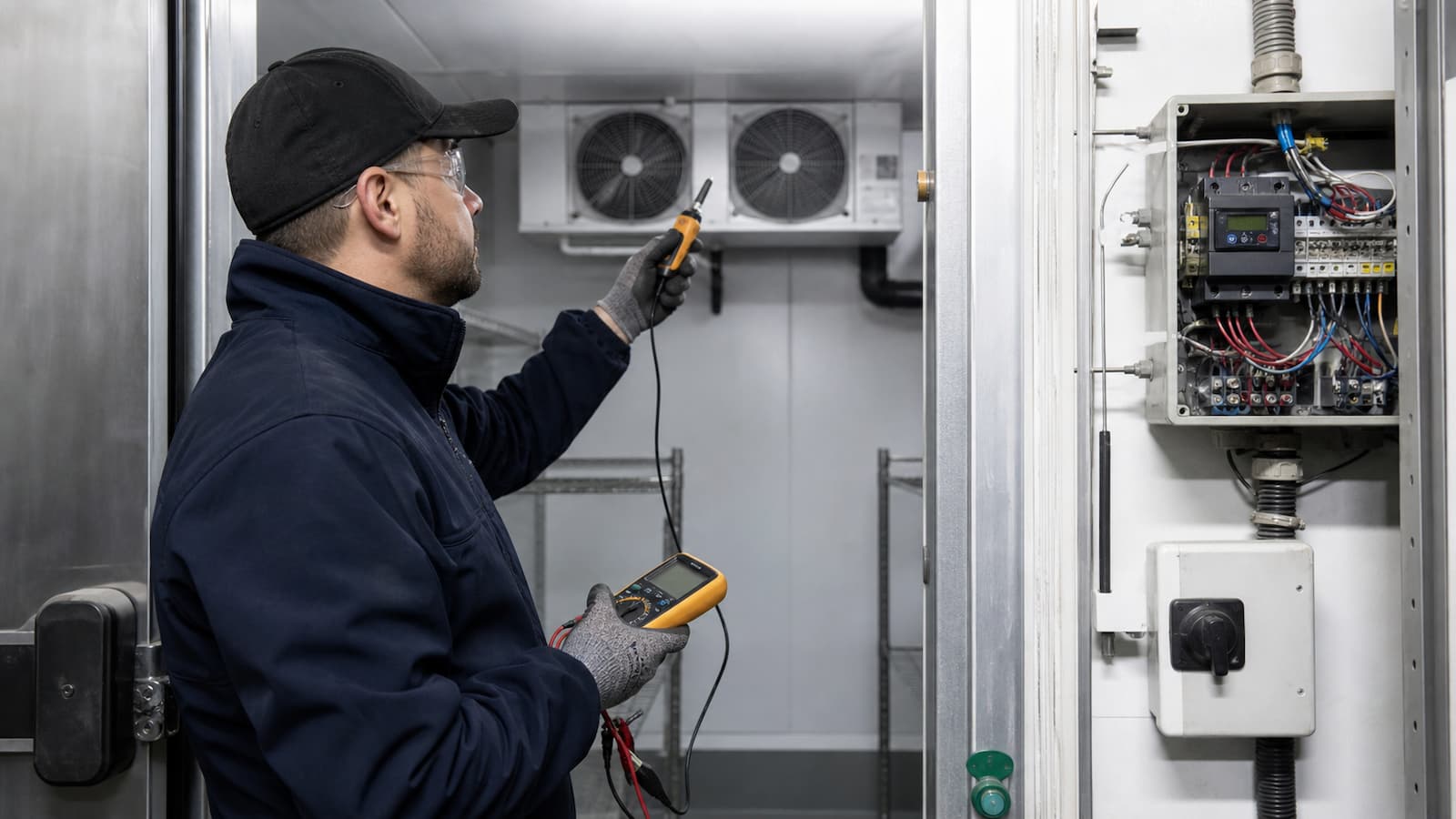
Technician checking startup performance on a newly installed walk-in freezer
Fan Operation Evaporator fan behavior and airflow path are reviewed for even box cooling.
Control Response Thermostat, sensors, setpoint behavior, alarms, and control sequence are checked.
Defrost Review Defrost timing, heater operation, termination, and moisture management are considered.
Drain Performance Drain routing, pan behavior, and freeze-risk areas are reviewed where applicable.
Pull-Down Behavior Temperature movement is checked so the system begins with a performance reference.
Service Access Controls, evaporator, drains, and equipment access are reviewed for future maintenance.

A startup baseline helps future service.

When operating behavior is checked at handoff, future maintenance and diagnostics have a clearer reference point.

Local Commercial Freezer Installation

Walk-in freezer installation for Linden businesses and nearby communities.

Sadowski Heating & Air Conditioning is based in Linden, NJ, and supports local businesses that need dependable frozen storage planned around inventory, workflow, temperature control, and long-term service access.

  • Linden
  • Roselle
  • Rahway
  • Elizabeth
  • Cranford
  • Union County

Built for food service and retail

Restaurants, markets, delis, commercial kitchens, convenience stores, and retail food operations all need freezer designs that protect inventory and support staff workflow.

Installed with frost control in mind

Door heat, defrost, drains, gaskets, airflow, and floor transitions are easier to plan correctly during installation than to correct later.

Licensed local support

NJ HVAC License #13VH11514600, 633 Pierce Ave Unit 7, Linden, NJ 07036.

Walk-in Freezer Installation FAQ

Questions before installing a walk-in freezer.

These answers help Linden business owners think through sizing, placement, low-temperature equipment, frost control, floor planning, and startup expectations before a new freezer installation.

How do you choose the right walk-in freezer size?

The right size depends on frozen inventory volume, product type, delivery schedule, shelving, staff access, airflow clearance, and recovery needs after loading.

What affects freezer refrigeration capacity?

Capacity is affected by box dimensions, insulation, target temperature, product load, incoming product temperature, door openings, ambient heat, line length, and condensing unit location.

Why is freezer floor planning important?

Freezer floors, thresholds, ramps, insulation, cleaning routines, and traffic loads affect safety, ice control, and long-term usability.

Where should the condensing unit be installed?

The best location depends on heat rejection, airflow, noise, weather exposure, service access, line routing, and building limitations.

Why do door heaters and gaskets matter?

Door heat, frame heat, gaskets, closers, and sweeps help control frost and air infiltration around the freezer opening.

What happens during startup?

Startup may include checking fan operation, controls, defrost behavior, drain performance, temperature pull-down, and general low-temperature system behavior.

Plan Commercial Freezer Installation

Need a walk-in freezer installed for your Linden business?

Contact Sadowski Heating & Air Conditioning to review your frozen storage needs, available space, low-temperature refrigeration requirements, frost control needs, installation logistics, and the best path for dependable freezer performance.

Before requesting a proposal Helpful details include target freezer temperature, product type, delivery schedule, available footprint, ceiling height, door traffic, floor condition, and possible condensing unit location.